Most construction and manufacturing companies in Los Angeles have a brand that sits in a strange place. The work is genuinely good. The shop is real. The crews are professional. The clients have been loyal for years. And then the buyer Googles the company and finds a website that looks like it was built in 2014 by a cousin of someone in the office, a logo that has drifted across three different aspect ratios depending on the document, and a Google Business Profile with the wrong address. The brand quietly works against the company every single day.
Brand Identity is the work that closes that gap. We rebuild the visual identity, the website, the brand standards, and the active touchpoints so that what a buyer sees actually matches the quality of work the company is doing on the jobsite or the production floor.
What gets covered.
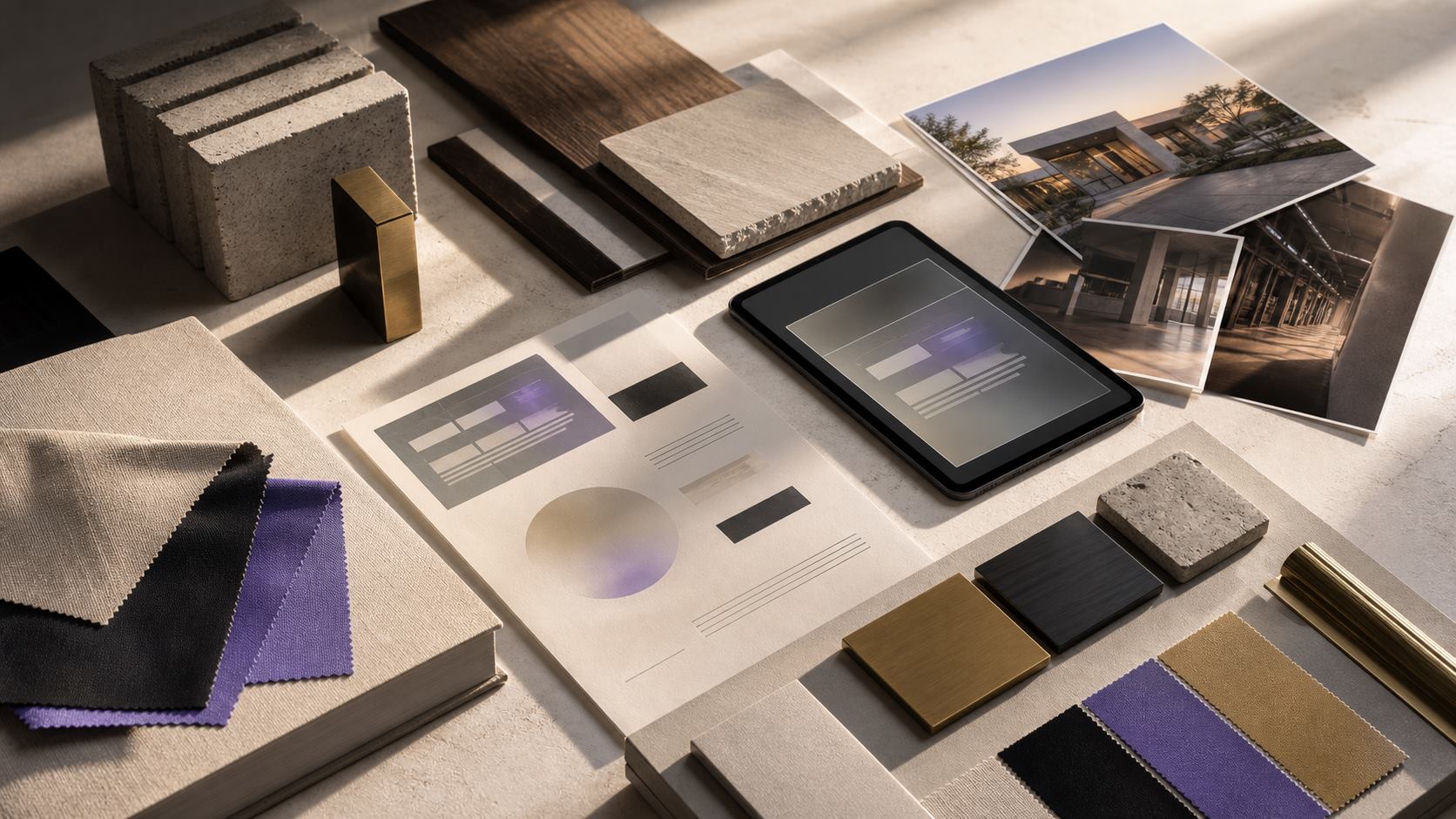
The full identity stack. Logo and wordmark redrawn for clarity at every size from a CAD title block to a 90-foot jobsite banner. Color, type, and visual standards documented in a real brand guide so every future deck, proposal, and ad uses the same vocabulary. Website rebuilt as the project portfolio it should be, with structured project pages, real photography, and the search and AI optimization that lets it actually perform. Brand templates for proposals, invoices, change orders, project decks, and the everyday documents that go out under the company name. Photography direction for jobsite, shop, and finished-work content that becomes the foundation for everything else.
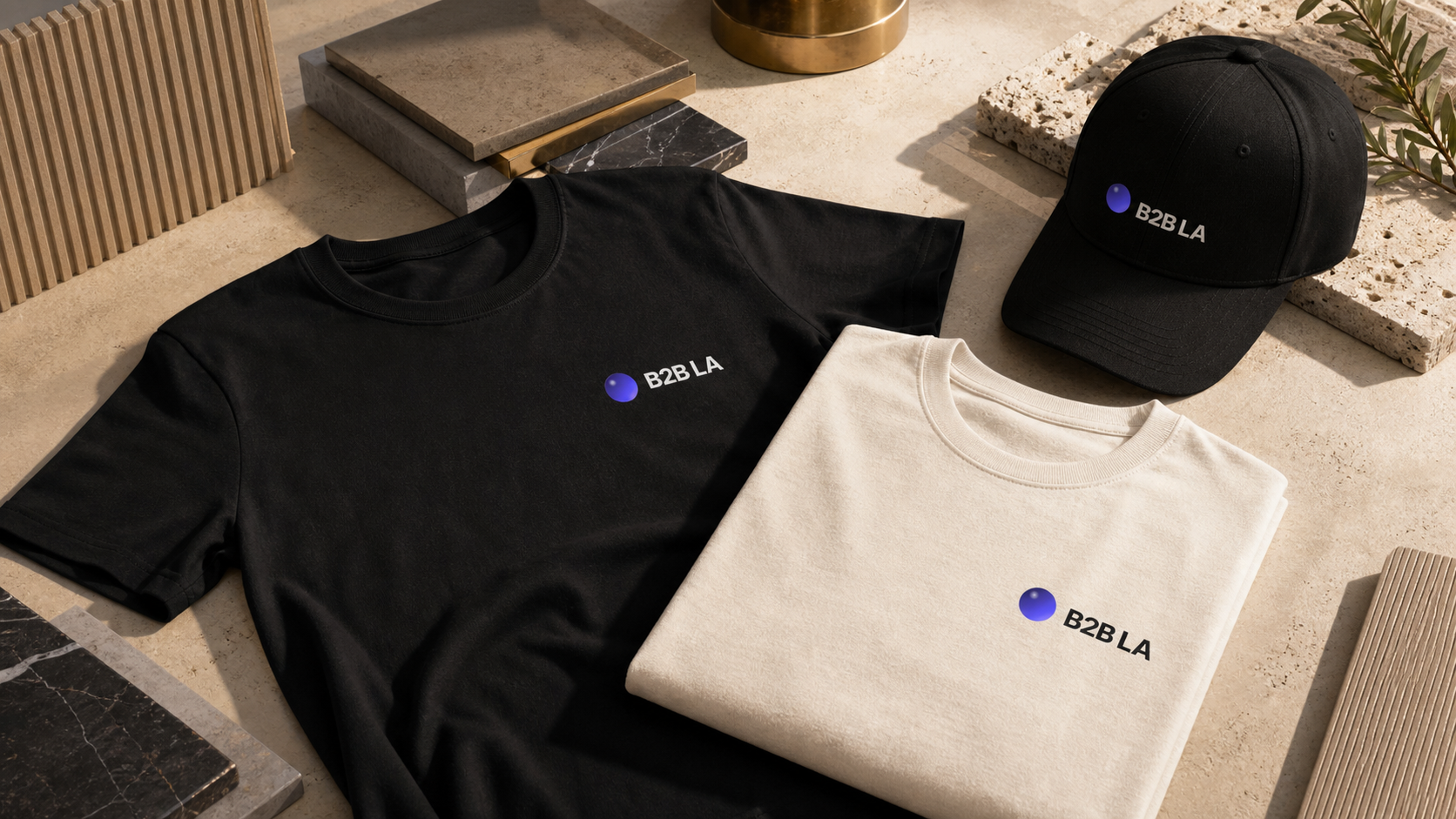
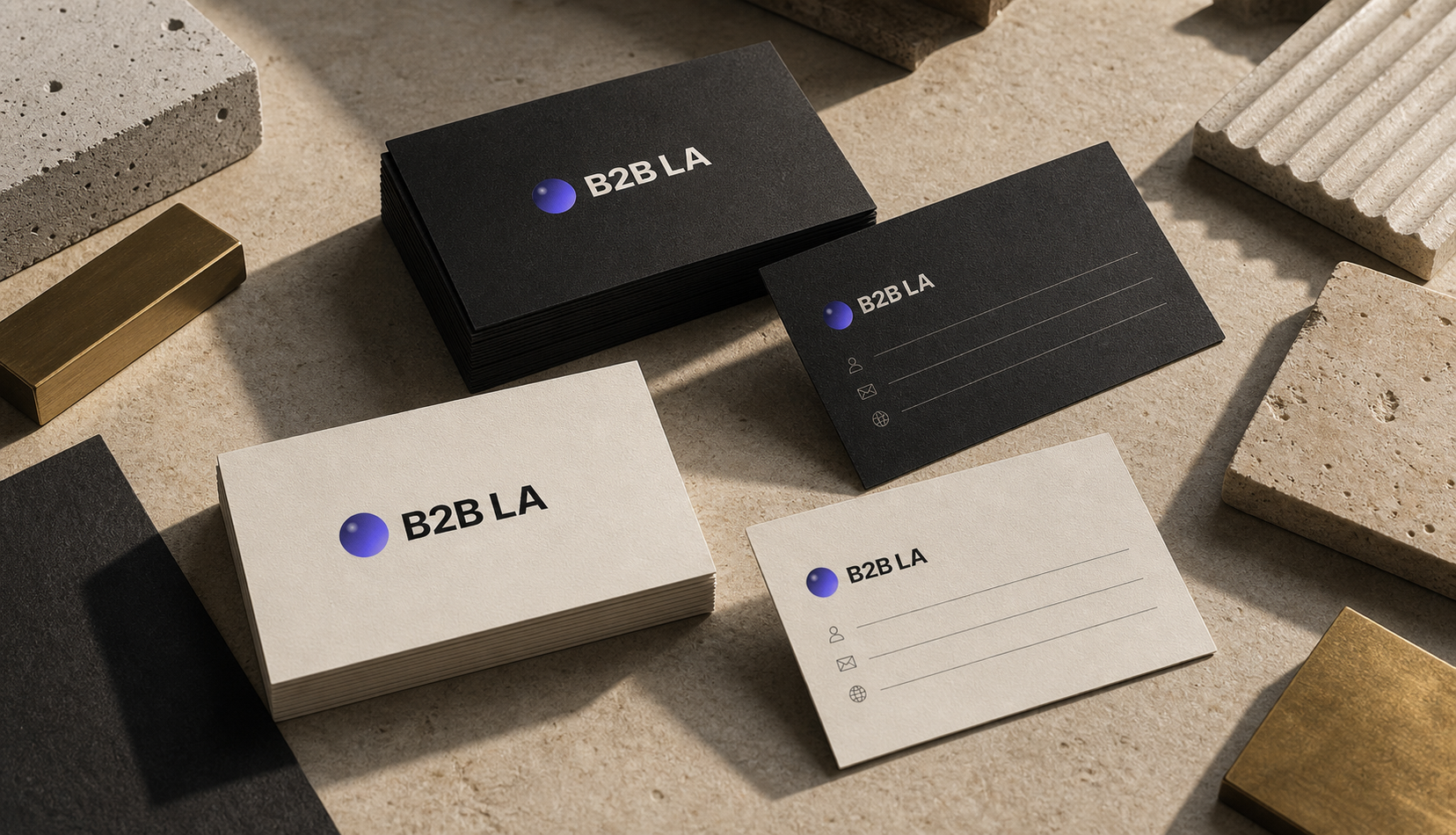
The output is not a logo and a Pinterest board. It is a working visual system that holds across every channel — website, ads, social, proposals, signage, vehicle wraps, the email signature attached to every quote that goes out the door.
Why the website is the bottleneck.
For construction and manufacturing companies in LA, the website is almost always the first credibility moment after a referral, a call, or an ad lands. The buyer hangs up, opens the laptop, and types the company name. What they find decides whether the conversation moves forward or quietly dies. Most of the websites we see at the start of an engagement are too thin, too slow, badly mobile, missing real project content, and entirely invisible to the search and AI engines that would otherwise surface the company.
We rebuild the whole site. Real project portfolio with structured project pages. Service pages built around the searches your buyers actually run. Schema markup, semantic HTML, fast load, mobile-clean, indexable for AI search engines. Content written for humans first and crawlers second. The website becomes the asset it should be — a closer, not a leak.
Brand standards that stay alive.
The single biggest reason brand work fails inside construction and manufacturing companies is that the system never gets used after the rollout. The new logo gets emailed once and then everyone goes back to the old one. The new color palette is in a PDF nobody opens. The website goes stale six months in because nobody knows how to update it.
We design the identity to be usable by a real working office. Templates that an admin can fill in. A brand guide that fits on three pages, not thirty. A website that the principal can update in five minutes when a new project finishes. Active maintenance during the first 90 days of rollout so the system actually takes hold across the team.
The first conversation.
Every engagement starts with a fit review. We look at the current brand, the website, the competitive landscape, and what the company actually wants to be known for. We tell you straight what the realistic scope is and what the timeline looks like.